Introduction
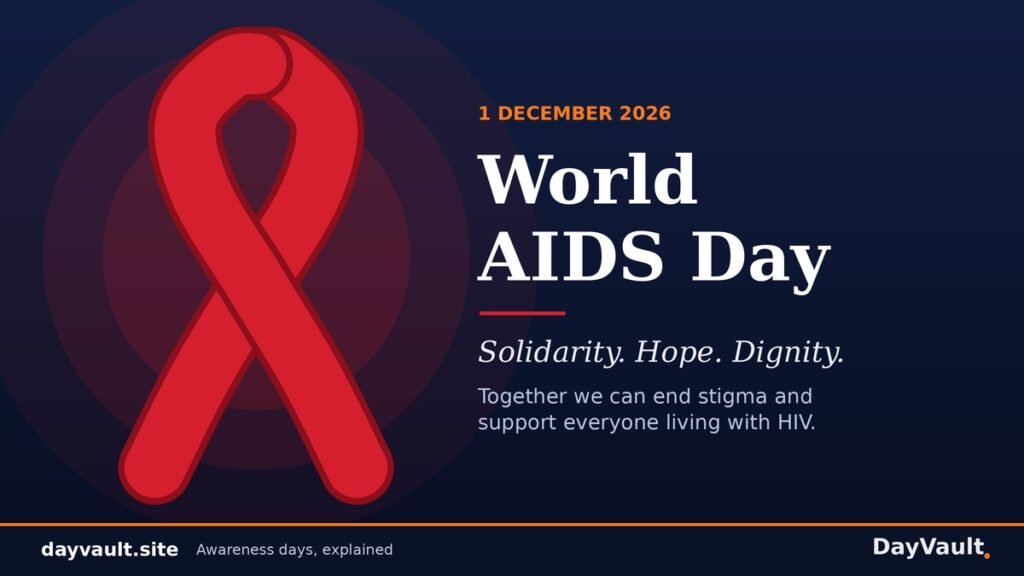
World AIDS Day is observed every year on December 1 to raise awareness about HIV and AIDS, remember people who have lost their lives to AIDS-related illnesses, and show support for people living with HIV. It is an important global health observance that encourages education, compassion, prevention, and equal access to healthcare.
Although medical science has made significant progress in HIV prevention and treatment, misunderstandings and social stigma continue to affect many people. Some individuals still hesitate to get tested or seek medical support because they fear discrimination or judgment. World AIDS Day provides an opportunity to address these challenges and remind communities that accurate information and respectful treatment can save lives.
The day also highlights the importance of accessible healthcare, early diagnosis, effective treatment, and public education. Schools, universities, healthcare organizations, governments, and community groups participate in awareness campaigns to encourage people to understand HIV and help build a more supportive society.
Understanding World AIDS Day means looking beyond a single date on the calendar. It means recognizing the ongoing efforts needed to prevent new HIV infections, improve treatment access, and protect the dignity and rights of everyone affected by the condition.
What Is World AIDS Day?
World AIDS Day is an international health awareness day dedicated to HIV and AIDS. It brings people together to discuss prevention, promote testing, support treatment programs, and remember those who have died from AIDS-related illnesses.
The observance also recognizes the efforts of healthcare workers, researchers, volunteers, activists, and organizations working to improve the lives of people affected by HIV.
HIV stands for human immunodeficiency virus. It attacks the body’s immune system, particularly CD4 cells, which help the body fight infections. Without effective treatment, HIV can gradually weaken the immune system and progress to AIDS.
AIDS stands for acquired immunodeficiency syndrome. It is the most advanced stage of HIV infection and can involve serious infections and certain cancers. However, not everyone who has HIV develops AIDS. With effective treatment and ongoing medical care, people living with HIV can maintain their health and lead long, fulfilling lives.
World AIDS Day encourages people to understand these facts and recognize that HIV is a medical condition, not a reason to discriminate against someone.
When Is World AIDS Day Celebrated?
World AIDS Day is celebrated every year on December 1. The date remains the same annually, making it easy for communities and organizations to plan educational activities and awareness campaigns.
The observance is recognized internationally and provides an opportunity for individuals and institutions to reflect on progress in HIV prevention and treatment.
People may mark the day by:
- Wearing a red ribbon to show solidarity.
- Attending HIV awareness seminars and educational sessions.
- Organizing community health events.
- Encouraging voluntary HIV testing and counseling.
- Sharing accurate information about prevention and treatment.
- Remembering people who have died from AIDS-related illnesses.
- Supporting organizations that provide HIV-related services.
World AIDS Day is not limited to healthcare professionals. Students, teachers, families, community leaders, and ordinary citizens can all contribute by sharing reliable information and challenging harmful stereotypes.
History of World AIDS Day
World AIDS Day was established in 1988, during a period when HIV and AIDS were causing serious concern around the world. Public understanding of the condition was limited, effective treatments were not widely available, and many affected individuals experienced fear, isolation, and discrimination.
The observance was created to encourage international awareness and make HIV and AIDS a more visible public health issue.
Over time, World AIDS Day developed into one of the most widely recognized international health observances. It became an opportunity to highlight scientific progress, remember those who had died, and encourage governments and communities to strengthen their responses to HIV.
The United Nations and international health organizations have played important roles in promoting awareness, improving access to services, and encouraging cooperation between countries.
How the observance has evolved
In its early years, World AIDS Day focused heavily on raising basic awareness and challenging the fear surrounding HIV. As scientific understanding improved, campaigns increasingly highlighted testing, treatment, prevention, and the rights of people living with HIV.
Today, the observance addresses a wider range of issues, including:
- Access to affordable and effective treatment.
- Prevention education for young people and adults.
- Early diagnosis and confidential testing.
- Reducing stigma and discrimination.
- Supporting affected families and communities.
- Addressing inequalities in healthcare access.
- Sustaining progress toward ending AIDS as a public health threat.
The history of World AIDS Day demonstrates how public education and international cooperation can help address a major global health challenge.
Why Is World AIDS Day Important?
World AIDS Day remains important because HIV continues to affect millions of people, and not everyone has equal access to testing, prevention services, and treatment.
The World Health Organization estimated that approximately 41 million people were living with HIV at the end of 2025. Although effective treatment has transformed the outlook for many people, new infections and HIV-related deaths remain significant public health concerns.
World Health Organization
The observance helps communities focus on several important priorities.
1. Raising awareness about HIV and AIDS
Many people still have incomplete or inaccurate information about HIV. Some confuse HIV with AIDS, while others believe the virus can spread through ordinary social contact.
World AIDS Day provides an opportunity to correct these misunderstandings and explain how HIV is transmitted, how it can be prevented, and how treatment works.
Accurate information helps people make informed decisions about their health and reduces unnecessary fear.
2. Encouraging HIV testing
A person may have HIV without experiencing noticeable symptoms. Testing is therefore an important way to learn one’s HIV status and access appropriate medical care.
Early diagnosis allows people who test positive to begin treatment promptly. It also helps those who test negative make informed decisions about prevention.
HIV testing should be voluntary, confidential, and supported by appropriate counseling and follow-up care.
3. Fighting stigma and discrimination
Stigma can discourage people from seeking medical advice, disclosing their health concerns to trusted individuals, or accessing support services.
World AIDS Day encourages communities to replace judgment with understanding. People living with HIV deserve the same dignity, respect, privacy, and opportunities as everyone else.
4. Supporting treatment and research
Scientific research has improved HIV testing, prevention, and treatment. Antiretroviral therapy, commonly called ART, can control HIV and help people maintain their health.
Continued research, investment, and access to healthcare remain essential for improving outcomes and developing better prevention and treatment options.
5. Remembering people affected by AIDS
World AIDS Day also provides a moment to remember people who have died from AIDS-related illnesses and recognize the families and communities affected by the epidemic.
Remembering the past helps reinforce the importance of continued action, compassion, and support.
Understanding the Difference Between HIV and AIDS
One of the most important messages of World AIDS Day is that HIV and AIDS are related but not identical.
HIV is a virus. It attacks the immune system and can weaken the body’s ability to fight infections.
AIDS is an advanced stage of HIV infection. It may develop when HIV is not effectively treated and the immune system becomes severely damaged.
A person diagnosed with HIV does not automatically have AIDS. Effective antiretroviral treatment can prevent or delay progression to advanced disease and allow people to live healthy lives.
Understanding this distinction helps reduce fear and misinformation.
It is also important to know that HIV is not spread through ordinary everyday activities such as hugging, shaking hands, sharing food, or sitting beside someone. Transmission occurs through specific routes involving infected bodily fluids, including certain sexual exposures, contaminated blood, shared injecting equipment, and transmission from a parent to a child during pregnancy, childbirth, or breastfeeding.
Reliable medical information helps people distinguish genuine risks from common myths.
HIV Prevention and Treatment
HIV prevention combines education, medical services, and practical steps that reduce the risk of infection. World AIDS Day encourages people to learn about these options and access appropriate healthcare.
HIV prevention methods
Depending on individual circumstances, effective prevention strategies can include:
- Using condoms correctly: Condoms help reduce the risk of HIV transmission during sexual activity.
- Getting tested: Knowing one’s HIV status helps people make informed decisions about treatment and prevention.
- Considering PrEP: Pre-exposure prophylaxis is medication that can substantially reduce the risk of acquiring HIV when used as prescribed.
- Seeking PEP after a possible exposure: Post-exposure prophylaxis is emergency medication that must be started as soon as possible, and no later than 72 hours after a potential HIV exposure.
- Using sterile medical equipment: Sterile needles and properly sterilized medical instruments help prevent transmission through contaminated equipment.
- Accessing appropriate healthcare during pregnancy: Effective treatment and medical care can greatly reduce the risk of HIV transmission from parent to child.
A qualified healthcare professional can explain which prevention options are suitable for an individual’s circumstances.
How HIV treatment works
Antiretroviral therapy uses medicines to control HIV replication in the body. Treatment does not currently eliminate HIV completely, but it can reduce the amount of virus in the blood to very low levels.
People who take treatment consistently and maintain an undetectable viral load can live long, healthy lives. They also do not transmit HIV to their sexual partners when the viral load remains undetectable, a principle commonly known as Undetectable = Untransmittable (U=U).
Regular medical appointments and viral load monitoring help healthcare professionals assess whether treatment is working effectively.
World AIDS Day highlights the importance of making these services accessible, affordable, and free from discrimination.
What Is the Red Ribbon and What Does It Mean?
The red ribbon is one of the most recognizable symbols associated with World AIDS Day and HIV awareness.
It represents solidarity with people living with HIV, remembrance of those who have died from AIDS-related illnesses, and commitment to ending stigma and discrimination.
Wearing a red ribbon is a simple way to show support. Schools, universities, workplaces, and community organizations often use the symbol during awareness events.
However, the meaning of the red ribbon goes beyond wearing a particular color. It represents a commitment to understanding, compassion, and action.
People can demonstrate that commitment by sharing accurate information, supporting affected individuals, respecting confidentiality, and encouraging equal access to healthcare.
World AIDS Day Theme 2026
World AIDS Day campaigns often use a theme or slogan to focus attention on particular challenges in the global HIV response. Themes can highlight community leadership, equal rights, prevention, treatment access, or the need to strengthen healthcare systems.
For 2026, readers should check the latest official announcements from the World Health Organization and UNAIDS before using a specific campaign theme in educational materials. The confirmed theme should be included only after it has been officially announced.
Regardless of the year’s slogan, the central message of World AIDS Day remains relevant: prevent new infections, expand access to effective treatment, protect human rights, and support everyone affected by HIV.
Why annual themes matter
An annual theme helps organizations create focused campaigns and gives communities a shared message.
For example, a campaign emphasizing equal access to healthcare might encourage people to learn about confidential testing and treatment services. A campaign focused on community leadership might highlight the work of local organizations and people with lived experience.
Themes also help schools, universities, and healthcare providers develop activities that connect global health priorities with local needs.
How to Celebrate World AIDS Day
World AIDS Day can be observed through meaningful activities that educate people, encourage prevention, and show support for affected communities.
Celebrations do not need to be expensive or complicated. Even a small educational activity can help correct misinformation and promote understanding.
1. Organize an awareness seminar
Schools, colleges, universities, and workplaces can organize sessions about HIV transmission, testing, prevention, and treatment.
Inviting a qualified healthcare professional can help participants receive accurate information and ask questions in a respectful environment.
2. Wear a red ribbon
Encourage participants to wear a red ribbon on December 1. Explain its meaning so that the activity becomes an opportunity for learning rather than simply a visual symbol.
3. Share educational content online
Social media platforms can help spread reliable information to a wide audience.
People can share short educational posts, infographics, or awareness messages about HIV testing, treatment, and stigma. Information should come from trusted health organizations rather than unverified claims.
4. Arrange a poster or essay competition
Students can participate in poster-making, essay writing, speeches, or presentations focused on HIV awareness.
Possible topics include the importance of testing, the role of science in HIV treatment, and how communities can support people living with HIV.
5. Support local health organizations
Community members can learn about reputable organizations that provide testing, counseling, treatment, and support services.
Volunteering, sharing verified resources, or participating in organized awareness events can help strengthen local efforts.
6. Promote respectful conversations
World AIDS Day is also a good time to challenge harmful stereotypes and remind people that HIV cannot be diagnosed by appearance.
A respectful conversation can help someone feel safer asking questions or seeking professional advice.
World AIDS Day Activities for Schools and Universities
Educational institutions play an important role in helping young people understand health, responsibility, and empathy.
Teachers and student organizations can use December 1 to create activities that combine learning with practical action.
Useful ideas include:
- Hosting an HIV awareness lecture.
- Preparing informative classroom presentations.
- Creating posters about HIV prevention and the red ribbon.
- Conducting a quiz based on facts from trusted health organizations.
- Inviting healthcare professionals for a question-and-answer session.
- Organizing a student-led awareness campaign.
- Sharing verified information on school or university social media pages.
- Holding a respectful discussion about stigma and equal rights.
Activities should be educational and voluntary. No student should be pressured to disclose private medical information, participate in testing publicly, or share personal experiences.
The purpose is to increase knowledge and create a supportive environment, not to embarrass or single out anyone.
Myths and Facts About HIV and AIDS
Misinformation remains one of the challenges surrounding HIV. World AIDS Day provides an opportunity to replace myths with reliable facts.
Myth 1: HIV spreads through hugging or shaking hands.
Fact: HIV does not spread through ordinary social contact, including hugging, shaking hands, or sharing meals.
Myth 2: Everyone with HIV eventually develops AIDS.
Fact: Effective treatment can prevent HIV from progressing to AIDS. Many people living with HIV maintain good health with appropriate medical care.
Myth 3: You can tell whether someone has HIV by looking at them.
Fact: A person’s appearance cannot establish their HIV status. Testing is necessary to determine whether someone has HIV.
Myth 4: HIV treatment is ineffective.
Fact: Modern antiretroviral therapy can control HIV, protect the immune system, and allow people to live long, healthy lives.
Myth 5: People living with HIV should be avoided.
Fact: Everyday contact does not transmit HIV. People living with HIV deserve inclusion, respect, and equal treatment.
These facts are important because fear and misinformation can prevent people from seeking healthcare and receiving social support.
The Role of Communities in Ending AIDS
Ending AIDS as a public health threat requires more than medical advances. It also depends on community involvement, accessible services, education, and respect for human rights.
Community organizations can help connect people with testing, treatment, and prevention services. Schools can provide age-appropriate health education, while healthcare workers can offer confidential advice and reliable medical care.
Governments and health institutions also have a responsibility to strengthen healthcare systems and address barriers that prevent people from accessing services.
Communities can contribute by:
- Supporting evidence-based HIV education.
- Challenging stigma and discrimination.
- Encouraging voluntary and confidential testing.
- Promoting access to prevention and treatment.
- Protecting the privacy of people living with HIV.
- Supporting organizations that work with affected communities.
Progress becomes more achievable when individuals, institutions, and governments work together toward shared goals.
World AIDS Day and the Goal of Ending AIDS by 2030
The global health community has set a goal of ending AIDS as a public health threat by 2030. Reaching this goal requires sustained progress in prevention, testing, treatment, and access to healthcare.
The goal does not mean that HIV will necessarily disappear completely by 2030. Instead, it reflects an international commitment to reducing its impact through effective public health measures.
Achieving this ambition requires identifying infections earlier, ensuring that people can access and continue treatment, improving prevention services, and addressing inequalities that leave some communities underserved.
The World Health Organization and UNAIDS continue to support strategies aimed at reducing new infections and HIV-related deaths.
World AIDS Day helps keep these priorities visible. It reminds the public that progress depends not only on scientific innovation but also on sustained investment, reliable healthcare services, and the willingness to treat everyone with dignity.
Frequently Asked Questions
1. When is World AIDS Day celebrated?
World AIDS Day is observed every year on December 1. It raises awareness about HIV and AIDS, supports people living with HIV, and remembers those who have died from AIDS-related illnesses.
2. Why do we celebrate World AIDS Day?
We observe World AIDS Day to promote HIV education, encourage testing and prevention, support access to treatment, reduce stigma, and recognize the efforts of communities and healthcare professionals working to address HIV.
3. What is the theme of World AIDS Day 2026?
The official 2026 theme should be verified through announcements from WHO or UNAIDS before publication. World AIDS Day campaigns generally focus on strengthening HIV prevention, treatment, community support, and efforts to end AIDS as a public health threat.
4. What does the red ribbon symbolize on World AIDS Day?
The red ribbon symbolizes solidarity with people living with HIV, remembrance of people who have died from AIDS-related illnesses, and a commitment to awareness, compassion, and ending discrimination.
5. How can students participate in World AIDS Day?
Students can participate by organizing awareness seminars, creating educational posters, sharing verified information, wearing red ribbons, holding essay competitions, and inviting qualified health professionals to explain HIV prevention and treatment.
6. What is the difference between HIV and AIDS?
HIV is a virus that attacks the immune system. AIDS is the most advanced stage of HIV infection. With effective treatment, people living with HIV can often prevent progression to AIDS and maintain good health.
7. Can HIV be cured?
There is currently no widely available cure for HIV. However, antiretroviral therapy can control the virus, protect the immune system, and help people live long and healthy lives.
8. How can HIV be prevented?
Prevention options include using condoms correctly, accessing HIV testing, considering PrEP when appropriate, seeking PEP after a potential exposure, and ensuring that medical equipment is sterile. A healthcare professional can recommend suitable prevention measures.
Conclusion
World AIDS Day is more than an annual health observance. It is a reminder of the importance of education, medical progress, equality, and compassion in addressing HIV and AIDS.
Observed every year on December 1, the day encourages people to learn the facts about HIV, understand the importance of testing, support effective treatment, and challenge the stigma that continues to affect individuals and communities.
Everyone can contribute to this effort. Students can share accurate information, educators can promote awareness, healthcare professionals can provide appropriate care, and community members can treat people living with HIV with dignity and respect.
Although significant progress has been made, continued action is necessary to improve prevention, expand access to treatment, and reduce inequalities in healthcare. By working together and relying on trustworthy information, communities can help build a future in which people affected by HIV receive the support and care they deserve.
On World AIDS Day, the message is clear: awareness matters, prevention saves lives, treatment makes a difference, and compassion belongs to everyone.
Do you like this personality?
1. When is World AIDS Day celebrated?
World AIDS Day is observed every year on December 1 to raise awareness about HIV and AIDS and support people living with HIV.
2. Why is World AIDS Day important?
World AIDS Day promotes HIV awareness, encourages testing and prevention, supports access to treatment, and helps reduce stigma and discrimination.
3. What is the theme of World AIDS Day 2026?
The official theme for World AIDS Day 2026 should be checked through WHO or UNAIDS announcements to ensure accuracy before publication.
4. What does the red ribbon represent on World AIDS Day?
The red ribbon symbolizes solidarity with people living with HIV, remembrance of those who have died from AIDS-related illnesses, and support for ending discrimination.
5. What is the difference between HIV and AIDS?
HIV is a virus that attacks the immune system, while AIDS is the most advanced stage of HIV infection. Effective treatment can help prevent HIV from progressing to AIDS.
6. How can people participate in World AIDS Day?
People can participate by wearing red ribbons, attending awareness seminars, sharing reliable health information, organizing educational activities, and supporting HIV awareness organizations.
7. Can HIV be prevented?
Yes. Prevention options include using condoms correctly, HIV testing, PrEP, PEP after potential exposure, and using sterile medical equipment.
8. Can people with HIV live a normal life?
Yes. With effective antiretroviral treatment and appropriate medical care, people living with HIV can enjoy long, healthy, and fulfilling lives.
9. How can schools celebrate World AIDS Day?
Schools can organize awareness sessions, poster competitions, educational presentations, quizzes, and discussions that promote accurate information and respect for people living with HIV.
10. What is the main message of World AIDS Day?
The main message is to raise awareness, prevent new HIV infections, improve access to treatment, fight discrimination, and support everyone affected by HIV and AIDS.
