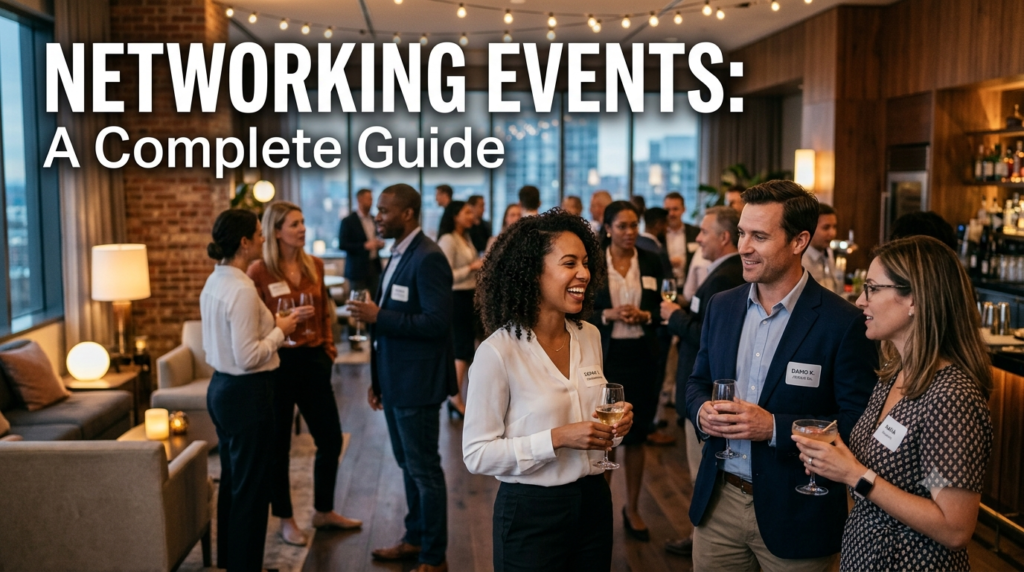
Walk into any city on a Tuesday evening and there’s a decent chance a room somewhere is filled with people holding name tags, business cards, and slightly too warm glasses of wine. That’s a networking event one of the oldest, most reliable ways professionals still build relationships that lead to jobs, clients, partnerships, and ideas.
Despite the rise of LinkedIn and AI matched intros, in person and virtual networking events remain a core part of how careers actually move forward. This guide breaks down what these events look like, where to find one worth your time, and how to walk away from it having actually gained something.
What Are Networking Events
A networking event is any organized gathering in person or online designed to help people meet, exchange contacts, and build professional relationships. That’s the whole definition, but the format underneath it varies enormously: a 20 person breakfast meetup and a 2,000 person industry conference are both “networking events,” even though they feel nothing alike.
What ties them together is intent. People don’t show up to a networking event for the free appetizers (though that helps); they show up because meeting the right person can shortcut months of cold outreach. A hiring manager you meet at a mixer remembers your face in a way a résumé never will.
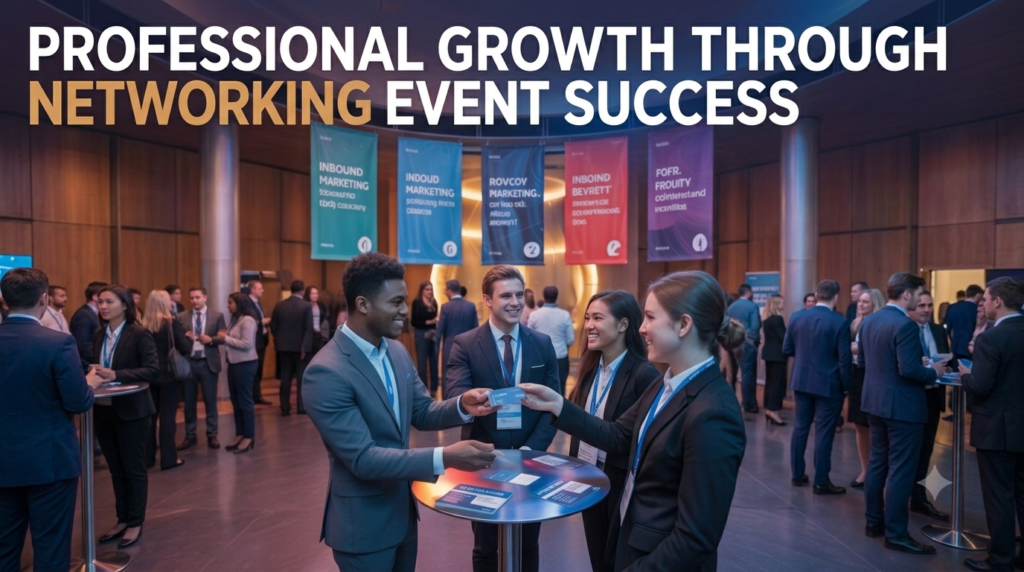
Types of Networking Events
Not all networking events serve the same purpose, and picking the wrong format wastes an evening. Here’s how the main types differ:
Mixers and happy hours. Low structure, social first gatherings, often hosted by a chamber of commerce, coworking space, or young professionals’ group. Best for casual relationship building rather than closing deals.
Industry conferences. Large, multi day events built around a shared field think a SaaS conference or a healthcare summit. Networking happens in the hallways and after parties as much as in scheduled sessions. These are strong for meeting people outside your immediate city or company.
Speed networking. Structured, timed one on one conversations, similar in format to speed dating. Efficient for meeting a lot of people quickly, though the depth of each conversation is limited.
Alumni and affinity events. Organized around a shared school, employer, or identity group. The built in common ground makes these some of the easiest events to network at, since the ice is already half broken.
Meetup style groups. Recurring, topic specific gatherings a monthly marketing meetup, a startup founders’ breakfast that build familiarity over repeated attendance rather than a single big night.
Where to Find Networking Events
Finding events used to mean checking a bulletin board at your local chamber of commerce. Now most people use a mix of a few reliable sources:
- Eventbrite and Meetup: the two largest general purpose platforms for local, topic searchable events
- LinkedIn Events : surfaces events your existing network is attending, which is useful since you’ll likely know someone there already
- Local chambers of commerce and business associations : often the most consistent source of recurring, low cost events in a given city
- Industry associations : most professional fields (real estate, law, marketing, tech) run their own event calendars, usually tied to certification bodies or trade groups
- University alumni offices : for graduates looking for affinity based events
- Coworking spaces : many host regular member and public networking nights as a way to fill their space
If you’re new to a city or field, starting with a recurring meetup rather than a one off conference tends to build a stronger, more familiar network over time.
How to Prepare for a Networking Event
Showing up unprepared is the single biggest reason people leave networking events feeling like they wasted an evening. A few concrete steps make a real difference:
- Set one specific goal. “Meet three people in [your target industry]” is more useful than “network more.”
- Prepare a 15 second introduction. Name, what you do, and one specific thing you’re working on or looking for not a full elevator pitch.
- Check the guest list or hashtag beforehand, if the event publishes one, and identify two or three people you’d genuinely like to meet.
- Bring something to exchange. A digital business card (via LinkedIn QR code) or a physical card still matters you want to be findable the next morning.
- Eat beforehand. Trying to hold a plate, a drink, and a conversation at once is a losing battle.
Networking Event Etiquette
Preparation gets you in the door; etiquette determines whether people want to talk to you once you’re there.
- Ask before you pitch. Lead with curiosity about the other person’s work before talking about your own.
- Don’t monopolize. A good networking conversation runs 5–10 minutes before naturally moving on both of you are there to meet more than one person.
- Follow up within 48 hours. A short, specific message referencing what you talked about (not a generic “great to meet you”) is far more likely to get a reply.
- Skip the sales pitch on first contact. Trying to close a deal or land a job offer in the first conversation reads as transactional. Build the relationship first.
- Respect the room’s tone. A formal industry conference and a casual founders’ meetup call for different levels of polish read the event before you show up.
Online vs. In Person Networking Events
Both formats work, but they suit different goals and personalities.
| Factor | In Person Events | Online Events |
|---|---|---|
| Best for | Deep rapport, memorable first impressions | Reaching people outside your city, lower time cost |
| Typical format | Mixers, conferences, meetups | Virtual summits, LinkedIn Live sessions, video roundtables |
| Follow up ease | Requires manual card/contact exchange | Often built into the platform (chat logs, attendee lists) |
| Time investment | Higher travel, dress, full evening | Lower join from anywhere for the session length |
| Depth of connection | Generally stronger, faster | Can feel shallower without deliberate 1:1 follow up |
Neither format replaces the other many professionals use online events to widen their reach and in person events to deepen the relationships that matter most.
Industry Specific Networking Events
Some fields have built entire ecosystems around networking specifically:
Tech and startups rely heavily on demo days, founder meetups, and conferences like local Startup Grind chapters, where introductions to investors often matter more than the formal agenda.
Real estate professionals frequently network through local Realtor association mixers and multiple listing service (MLS) events, where referral relationships directly drive business.
Healthcare networking tends to center on continuing education conferences and specialty association meetings, where the educational sessions themselves function as a natural icebreaker for the networking that happens around them.
Common Mistakes to Avoid
- Treating the event like a job fair and handing out résumés to everyone in reach
- Sticking to people you already know instead of meeting anyone new
- Forgetting to follow up, which wastes most of the value of the conversation
- Talking only about yourself instead of asking questions
- Attending once and expecting results consistent, repeated attendance at the same recurring event builds far stronger relationships than a single appearance
Conclusion
Networking events reward people who show up with a clear goal, a short and genuine introduction, and a habit of following up. The format mixer, conference, or virtual roundtable matters less than consistency: the professionals who get the most out of networking are usually the ones who keep showing up to the same rooms, building familiarity over time rather than chasing a single big night.
You may also visit our free tools
FAQ
What is a networking event?
A networking event is an organized gathering, in person or online, where professionals meet to build relationships, exchange contacts, and explore opportunities like jobs, clients, or partnerships.
How do I find networking events near me?
Check Eventbrite, Meetup, LinkedIn Events, your local chamber of commerce, and any industry association tied to your field most publish regular event calendars.
Are networking events worth it?
For most professionals, yes but the value comes from consistent attendance and follow up, not from a single event. Treat it as relationship building over months, not a one time transaction.
What should I say at a networking event?
Lead with a short, specific introduction your name, what you do, and one current project or goal then ask the other person about their work before pitching your own.
Is it okay to attend a networking event alone?
Yes, and it’s often more productive than going with a friend, since you’re more likely to approach strangers rather than sticking with someone you already know.
How do I follow up after a networking event?
Send a short, specific message within 48 hours referencing something from your conversation a generic “nice to meet you” is far less effective than a specific callback.
What’s the difference between a networking event and a conference?
A conference is usually structured around educational sessions with networking happening around the edges; a networking event is built specifically around meeting people, with little to no formal agenda.
Do I need business cards for networking events?
Physical cards are optional now many professionals exchange contact info digitally via a LinkedIn QR code but having some way to be found afterward is essential either way.
