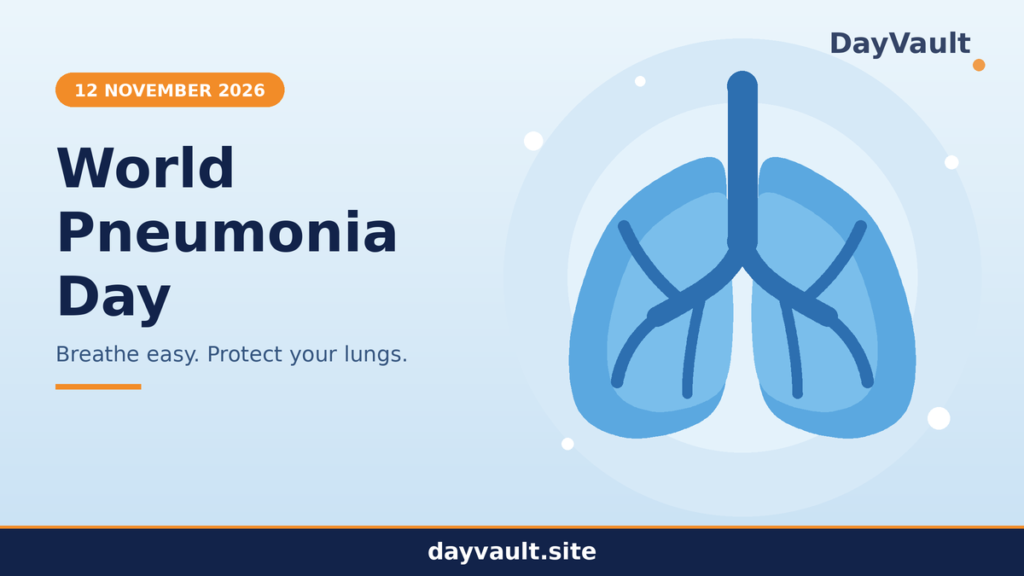
Pneumonia can affect people of all ages, from young children to older adults. Although it is often treatable, it can become life-threatening when symptoms are ignored or medical care is delayed. Raising awareness about this serious lung infection is essential for protecting families, improving public health, and helping people recognize warning signs before complications develop.
World Pneumonia Day is observed every year on November 12 to raise awareness about pneumonia, encourage prevention, and highlight the importance of timely diagnosis and effective treatment. It also draws attention to the need for better access to healthcare, particularly for children and vulnerable communities.
World Pneumonia Day is an opportunity to learn how pneumonia develops, understand who faces the greatest risks, and discover practical steps that can help prevent respiratory infections. Whether you are a student, parent, healthcare worker, or someone interested in health awareness events, understanding this observance can help you make informed decisions and share potentially life-saving information with others.
What Is World Pneumonia Day?
World Pneumonia Day is an annual health awareness observance dedicated to addressing the global impact of pneumonia. It brings together healthcare professionals, public health organizations, community groups, and individuals to promote education, prevention, early diagnosis, and access to treatment.
The observance was established in 2009 through the efforts of organizations working to reduce the burden of pneumonia, particularly among children. Since then, it has helped keep pneumonia prevention and treatment on the global health agenda.
Pneumonia is an infection that causes inflammation in the lungs. It can be caused by bacteria, viruses, and, less commonly, fungi. The infection may interfere with the lungs’ ability to transfer oxygen into the bloodstream, making breathing difficult.
The severity of pneumonia varies. Some people experience relatively mild symptoms, while others develop serious complications that require hospitalization.
World Pneumonia Day reminds communities that pneumonia should not be dismissed as an ordinary cough or cold. Recognizing symptoms early and seeking appropriate medical care can make a meaningful difference.
When Is World Pneumonia Day Celebrated in 2026?
World Pneumonia Day is celebrated annually on November 12.
In 2026, World Pneumonia Day falls on Thursday, November 12, 2026.
The date remains the same every year, making it easy for schools, healthcare institutions, nonprofit organizations, and community groups to plan awareness activities in advance.
People observe this day in different ways, including:
- Organizing health education sessions in schools and colleges.
- Sharing educational posts about pneumonia symptoms and prevention.
- Arranging community health screenings where appropriate.
- Promoting vaccination awareness.
- Distributing educational materials to parents and caregivers.
- Supporting organizations that improve access to healthcare.
- Encouraging people to seek medical attention when serious symptoms appear.
These activities help make reliable health information more accessible and encourage individuals to take respiratory health seriously.
Why Is World Pneumonia Day Important?
World Pneumonia Day is important because pneumonia remains a significant public health concern worldwide. Despite advances in medicine, prevention, diagnosis, and treatment are not equally accessible to everyone.
Many people do not recognize the symptoms until the infection becomes severe. Others face barriers such as healthcare costs, long travel distances to medical facilities, limited access to vaccines, or a lack of reliable health information.
The observance highlights several important issues.
1. Raising Awareness About Pneumonia
A major purpose of World Pneumonia Day is to help people understand what pneumonia is and how it differs from other respiratory illnesses.
A persistent cough, fever, or difficulty breathing should not automatically be assumed to be a minor seasonal illness. Understanding the warning signs encourages people to seek medical advice when necessary.
2. Protecting Children and Vulnerable People
Young children, older adults, and people with certain medical conditions are at increased risk of severe pneumonia.
Children under five years of age are particularly vulnerable, especially when they experience malnutrition, have incomplete vaccinations, or live in environments with significant indoor air pollution.
Public awareness can help parents and caregivers recognize concerning symptoms and obtain appropriate care promptly.
3. Encouraging Prevention
Many cases of pneumonia can be prevented or their risk reduced through vaccination, good hygiene, improved indoor air quality, and appropriate management of existing health conditions.
World Pneumonia Day encourages individuals and communities to adopt preventive practices and learn which vaccines are recommended for their age and health circumstances.
4. Improving Access to Treatment
Pneumonia is treatable, but effective care depends on identifying the likely cause and assessing the severity of the illness.
Awareness campaigns emphasize the importance of accessible healthcare services, trained medical professionals, appropriate medicines, and oxygen therapy when clinically necessary.
5. Reducing Misconceptions
Some people believe pneumonia only affects children or develops exclusively during cold weather. In reality, pneumonia can affect people of all ages and occur throughout the year.
Correcting these misconceptions helps communities make better health decisions.
What Is Pneumonia, and How Does It Affect the Lungs?
Pneumonia is an infection of one or both lungs. The lungs contain tiny air sacs called alveoli, where oxygen passes into the bloodstream.
When pneumonia develops, these air sacs may become inflamed and fill with fluid or pus. This can reduce the amount of oxygen entering the bloodstream and make breathing uncomfortable or difficult.
The illness may develop after exposure to an infectious organism, sometimes following another respiratory infection.
Pneumonia can be classified according to its cause or where it develops. For example, community-acquired pneumonia develops outside a hospital, while hospital-acquired pneumonia occurs in a healthcare setting.
The cause matters because treatment differs depending on the organism responsible and the patient’s condition.
According to the World Health Organization’s pneumonia information, pneumonia can range from mild illness to a life-threatening infection, and vaccination can help prevent some forms of the disease.
What Causes Pneumonia?
Several types of infectious organisms can cause pneumonia.
Bacterial Pneumonia
Bacteria are responsible for many cases of pneumonia. Streptococcus pneumoniae, also called pneumococcus, is an important bacterial cause.
Bacterial pneumonia may cause fever, coughing, chest discomfort, fatigue, and shortness of breath. Some cases require antibiotics prescribed by a healthcare professional.
Viral Pneumonia
Viruses can also infect the lungs and cause pneumonia.
Examples include influenza viruses, respiratory syncytial virus (RSV), and the virus responsible for COVID-19.
Viral pneumonia may develop on its own or occur alongside other respiratory symptoms. Antibiotics do not treat viruses, although a healthcare professional may prescribe antiviral medication in certain circumstances.
Fungal Pneumonia
Fungi can cause pneumonia, although fungal causes are less common than bacterial and viral causes in many settings.
Certain fungal infections are more likely to affect people with weakened immune systems or those exposed to specific environmental sources.
Because different organisms can produce similar symptoms, a medical assessment may be necessary to determine the most appropriate treatment.
What Are the Common Symptoms of Pneumonia?
Pneumonia symptoms vary depending on the cause, a person’s age, and the severity of the infection.
Common symptoms include:
- Cough, which may produce mucus.
- Fever and chills.
- Shortness of breath.
- Chest pain that becomes worse when breathing deeply or coughing.
- Unusual tiredness or weakness.
- Sweating.
- Reduced appetite.
- Nausea, vomiting, or diarrhea in some cases.
Older adults may develop confusion or unusual changes in their mental alertness. Infants and young children may show poor feeding, reduced activity, or difficulty breathing.
Not everyone with pneumonia develops a high fever, and symptoms can resemble those of influenza or other respiratory infections.
Seek urgent medical care if someone has severe difficulty breathing, blue or gray lips, sudden confusion, or other signs of a medical emergency. Children with chest indrawing, severe breathing difficulty, inability to drink, or unusual drowsiness also need urgent assessment.
People with persistent or worsening respiratory symptoms should contact a healthcare professional, particularly if they are at increased risk of complications.
Who Is Most at Risk of Pneumonia?
Although pneumonia can affect anyone, certain groups are more likely to develop severe illness.
Young Children
Children younger than five years are at increased risk, particularly infants and children with incomplete immunizations, malnutrition, or underlying medical conditions.
Parents should pay attention to fast breathing, difficulty feeding, unusual sleepiness, and chest indrawing.
Older Adults
People aged 65 and older have an increased risk of pneumonia and related complications. Symptoms may sometimes be less typical, making changes in alertness, appetite, or daily functioning especially important to notice.
People With Chronic Medical Conditions
Individuals with chronic lung disease, heart disease, diabetes, or other significant health conditions may face a higher risk of complications.
People With Weakened Immune Systems
Certain illnesses and medicines can weaken the immune system, making it more difficult to fight infections.
People Exposed to Tobacco Smoke and Air Pollution
Smoking and exposure to secondhand smoke can harm the respiratory system. Indoor air pollution, including smoke from cooking and heating fuels, can also increase respiratory health risks.
Reducing these exposures is an important part of protecting lung health.
How Can Pneumonia Be Prevented?
World Pneumonia Day encourages practical actions that help reduce the risk of pneumonia. No single measure prevents every case, but several strategies can provide meaningful protection.
1. Stay Up to Date With Recommended Vaccinations
Vaccines can protect against certain infections that cause pneumonia or increase the risk of severe respiratory illness.
Depending on a person’s age, medical history, location, and national recommendations, relevant vaccines may include those for pneumococcal disease, influenza, COVID-19, whooping cough, measles, and other infections.
Not every vaccine is recommended for every person. Ask a qualified healthcare professional which vaccinations are appropriate for you or your child.
2. Practice Good Hand Hygiene
Wash your hands regularly with soap and clean water, particularly before eating, after using the toilet, and after coughing, sneezing, or caring for someone who is sick.
When appropriate, alcohol-based hand sanitizer can help when soap and water are unavailable.
3. Avoid Smoking and Secondhand Smoke
Tobacco smoke damages the respiratory system and increases the risk of respiratory infections.
Avoid smoking indoors, keep living spaces smoke-free, and seek professional support if you want to stop smoking.
4. Improve Indoor Air Quality
Good ventilation and reduced exposure to indoor pollutants can support respiratory health.
Where possible:
- Improve airflow by opening windows when outdoor conditions allow.
- Reduce smoke from cooking and heating.
- Use cleaner cooking fuels and safer ventilation systems when available.
- Avoid unnecessary exposure to dust and harmful fumes.
These measures are especially important for households with young children, older adults, and people with existing respiratory conditions.
5. Maintain Good Nutrition
A balanced diet supports normal immune function. Children also need adequate nutrition for healthy growth and development.
For infants, breastfeeding is recommended when possible and appropriate, and complementary foods should be introduced according to established child-health guidance.
Nutrition alone cannot prevent pneumonia, but it is an important component of overall health.
6. Manage Existing Health Conditions
People with chronic medical conditions should follow their healthcare professional’s recommendations and attend routine appointments.
Managing underlying conditions can help reduce the risk of complications if a respiratory infection develops.
7. Reduce the Spread of Respiratory Infections
Cover your mouth and nose when coughing or sneezing, dispose of tissues properly, clean frequently touched surfaces, and avoid close contact with others when you are ill.
Stay home when appropriate and follow local public health advice during periods of increased respiratory infections.
These habits help protect both individuals and the wider community.
How Is Pneumonia Treated?
Pneumonia treatment depends on its cause, the severity of the illness, and the patient’s overall health.
A healthcare professional may review symptoms, examine the patient, check oxygen levels, and recommend additional tests when needed. A chest X-ray or laboratory testing may be useful in certain cases.
Treatment options can include the following.
Antibiotics for Bacterial Pneumonia
Antibiotics are used to treat bacterial pneumonia. The choice of medicine depends on factors such as the suspected bacteria, illness severity, allergies, and local treatment guidance.
Patients should take prescribed antibiotics exactly as directed. Antibiotics do not treat viral pneumonia, and taking them unnecessarily can contribute to antibiotic resistance.
Antiviral Medicines for Certain Infections
Some viral infections that cause pneumonia can be treated with antiviral medicines. Their usefulness depends on the virus, the timing of treatment, and the patient’s medical circumstances.
A healthcare professional can determine whether antiviral treatment is appropriate.
Supportive Care
Depending on the patient’s condition, supportive care may include:
- Adequate rest.
- Drinking enough fluids, unless a clinician has advised otherwise.
- Medicines to relieve fever or discomfort when appropriate.
- Oxygen therapy when blood oxygen levels are too low.
- Hospital treatment for severe illness.
People should not attempt to treat suspected serious pneumonia solely with home remedies. Medical assessment is important because untreated pneumonia can cause serious complications.
World Pneumonia Day Activities and Awareness Ideas
World Pneumonia Day provides an opportunity for individuals and organizations to share useful information and encourage healthier communities.
You do not need to organize a large event to make a difference. Small, practical activities can help people understand the disease and recognize when medical care is needed.
Here are some ideas for observing the day.
Organize a School or College Awareness Session
Teachers and students can arrange a short presentation explaining pneumonia symptoms, prevention, vaccination, and the importance of early medical care.
Educational posters and question-and-answer sessions can make the information easier to remember.
Share Educational Content on Social Media
Use social media to distribute reliable information about pneumonia prevention and warning signs.
Consider sharing:
- A short explanation of what pneumonia is.
- A list of symptoms that require medical attention.
- Information about recommended vaccinations.
- A reminder to seek professional care when breathing becomes difficult.
Always use trustworthy medical sources rather than unverified claims.
Support Community Health Education
Community organizations can work with qualified healthcare professionals to provide educational sessions and direct people toward appropriate health services.
In communities where access to healthcare is limited, information about nearby clinics and vaccination services can be particularly valuable.
Encourage Conversations About Child Health
Parents and caregivers can learn about childhood pneumonia, recognize danger signs, and ask healthcare professionals about recommended immunizations.
Create a Digital Awareness Campaign
Websites and blogs can publish informative articles, infographics, and frequently asked questions about pneumonia.
A well-designed awareness campaign should focus on accurate information, accessible language, and practical steps readers can take.
The purpose is not simply to mark a date on the calendar. It is to help people make better-informed health decisions throughout the year.
The Role of Families and Communities in Pneumonia Prevention
Preventing pneumonia is not only an individual responsibility. Families, healthcare workers, schools, policymakers, and community organizations all have a role to play.
Families can encourage vaccination, maintain smoke-free homes, practice good hygiene, and seek medical attention when symptoms become concerning.
Schools can teach children basic respiratory hygiene and encourage healthy habits. Healthcare professionals can help patients understand risk factors and treatment options.
Communities can support access to clean air, adequate nutrition, preventive healthcare, and reliable medical information.
Governments and public health organizations can strengthen vaccination programs, improve healthcare services, and support initiatives that make effective treatment more accessible.
These combined efforts are especially important for communities where healthcare resources are limited.
World Pneumonia Day highlights the fact that raising awareness is only one part of the solution. Lasting progress also requires practical prevention measures and access to appropriate medical care.
Frequently Asked Questions
1. When Is World Pneumonia Day Celebrated?
World Pneumonia Day is observed every year on November 12. In 2026, it falls on Thursday, November 12. The observance promotes pneumonia awareness, prevention, early diagnosis, and access to treatment.
2. Why Do We Celebrate World Pneumonia Day?
We observe World Pneumonia Day to raise awareness about pneumonia and its impact on people worldwide. It encourages communities to recognize symptoms, learn about prevention, support vaccination, and improve access to timely medical care.
3. What Is the Main Purpose of World Pneumonia Day?
The main purpose is to highlight the global burden of pneumonia and encourage action to prevent avoidable illness and deaths. The observance also emphasizes the importance of public education, effective treatment, and healthcare access for vulnerable populations.
4. What Are the Early Symptoms of Pneumonia?
Early symptoms may include coughing, fever, chills, tiredness, and shortness of breath. Some people also experience chest pain when breathing or coughing. Symptoms vary, so anyone with persistent or worsening symptoms should seek medical advice.
5. Can Pneumonia Be Prevented?
Many cases of pneumonia can be prevented or their risk reduced. Recommended vaccinations, regular handwashing, avoiding tobacco smoke, reducing indoor air pollution, and maintaining good nutrition can all help protect respiratory health.
6. Is Pneumonia Contagious?
The germs that cause some types of pneumonia can spread between people through respiratory particles or other routes. However, not every exposure results in pneumonia. The likelihood of infection depends on the organism, the person’s health, and other circumstances.
7. Who Is Most Vulnerable to Pneumonia?
Young children, adults aged 65 and older, people with certain chronic illnesses, and individuals with weakened immune systems face a greater risk of severe pneumonia. People exposed to tobacco smoke and indoor air pollution may also have increased risk.
8. What Is the Difference Between Bacterial and Viral Pneumonia?
Bacterial pneumonia is caused by bacteria, while viral pneumonia is caused by viruses. Both can produce coughing, fever, fatigue, and breathing difficulties, but their treatments differ. Antibiotics treat bacterial infections, not viral infections.
9. How Can Schools Celebrate World Pneumonia Day?
Schools can organize educational presentations, create awareness posters, share verified health information, and invite qualified healthcare professionals to explain pneumonia prevention. Activities should use age-appropriate information and encourage students to share accurate health messages with their families.
10. How Can I Participate in World Pneumonia Day?
You can participate by learning about pneumonia, sharing reliable information, encouraging appropriate vaccination, supporting community health initiatives, and helping others recognize warning signs. Even a simple conversation about prevention can help spread awareness.
Conclusion
World Pneumonia Day, observed annually on November 12, reminds us that pneumonia remains an important global health challenge. Although the infection can be serious, awareness, prevention, early diagnosis, and appropriate treatment can help reduce its impact.
Understanding pneumonia symptoms, recognizing who is most vulnerable, and following recommended preventive measures are practical ways to protect ourselves and our communities. Vaccination, good hygiene, improved indoor air quality, and timely medical care all contribute to better respiratory health.
The observance also highlights the importance of making reliable health information and effective treatment accessible to everyone, especially young children and other vulnerable populations.
Ultimately, the value of World Pneumonia Day extends beyond a single date. By sharing accurate information, supporting prevention efforts, and encouraging people to seek medical help when needed, we can contribute to healthier communities throughout the year.
This World Pneumonia Day, take a moment to learn, share reliable information, and encourage the people around you to protect their lung health.
1. When Is World Pneumonia Day Celebrated?
World Pneumonia Day is observed every year on November 12 to raise awareness about pneumonia, promote prevention, and encourage early diagnosis and effective treatment.
2. Why Do We Celebrate World Pneumonia Day?
World Pneumonia Day raises awareness about the causes, symptoms, and risks of pneumonia. It also encourages vaccination, timely medical care, and better access to treatment worldwide.
3. What Are the Common Symptoms of Pneumonia?
Common symptoms include coughing, fever, chills, chest pain, fatigue, and shortness of breath. Severe breathing difficulties or confusion require urgent medical attention.
4. Can Pneumonia Be Prevented?
Yes, the risk of pneumonia can be reduced through recommended vaccinations, regular handwashing, avoiding tobacco smoke, maintaining good nutrition, and improving indoor air quality.
5. Who Is Most at Risk of Pneumonia?
Young children, older adults, people with chronic medical conditions, and individuals with weakened immune systems are at greater risk of developing severe pneumonia.
Is this conversation helpful so far?
